

How Digital Transformation will change the flexible packaging & labels industry
The digital transformation is not a destination, it is a journey!
Welcome to my last post about digital transformation in the flexible packaging and labels industry.
In the last three posts, I shared thoughts about what digital transformation is, why it is important for the future of your business and what is the added value of it. In this post, I would like to share with you what I see will be the outcome of the digital transformation and how you can make it work.
The experience shows that it is happening in steps:
1) Conventional / analog / unconnected production
2) Connecting the conventional processes with simple sensors
3) Automation of simple processes on machine level and process planning on production management level – humans check, observe and interacts – humans are controlling and starting and stopping the automation
4) Machine learning – based on human actions and thinking patterns the machine “learns” how to act and optimize – humans only needed to interfere if the machine asks for help and interactions
5) Artificial Intelligence – the machine is capable of solving problems itself and asks humans for confirmations, approvals – interaction of humans rarely needed
For many industry leaders this is academic and theoretical. So, let’s be pragmatic. What does it mean to be in the digital transformation:
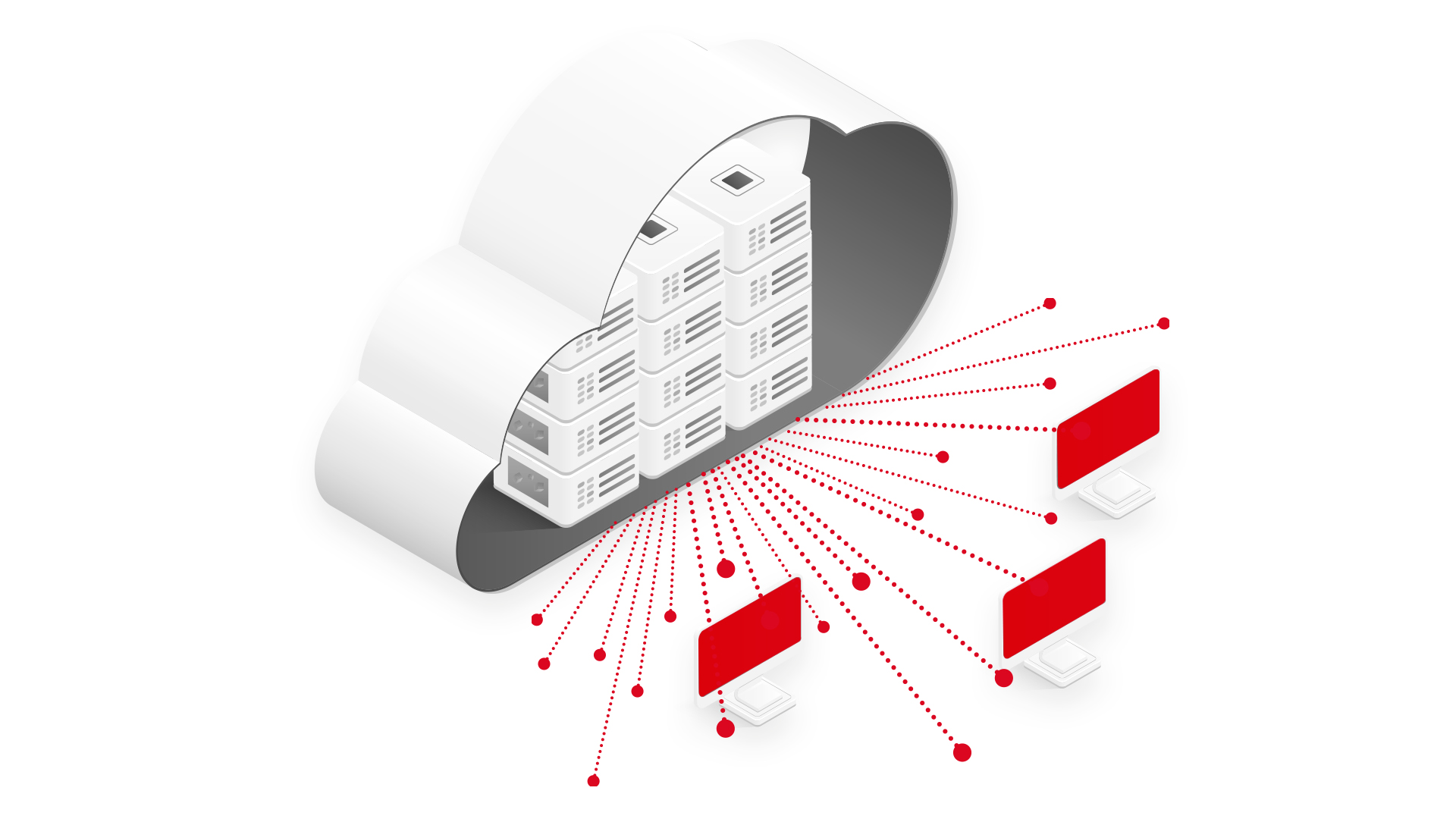
1. You connect physical processes in your company with available and well established technologies like internet plugs, Wi-Fi, cloud (like job data information), barcode (like warehouse and production), RFID (like in tool management) and so on. In many companies, this is in place already or work in progress and it will systematically increase. The challenge here is that every “connection” of different departments or functions is based on different IT systems with IT gaps, data inconsistencies and a lot of manual work.
Best example for this first step in the digital transformation is the smartGPS® in CI Flexo, the TAPS system in Gravure and the DigiColor in Inline Flexo launched in April 2019. We are proud to say that in 2020 there are many more automation systems not only for machines, but also process automation solutions coming from BOBST. Ask your sales people for the latest information.
2. After step 1, you try to extend the ERP systems by automating the production flow based on the inputs from the production management. In some companies this done with Automatic Guided Vehicles (AGV) for materials and tools including automatic high bay storages. Due to the high investments and the long ROI this is not a business case for many. But nevertheless it is important to create a kind of digital blueprint of the production area and map the production flow digitally as well. BOBST has several installations in the market where we did not only install a CI-Flexo Machine. We integrated it into the full production environment: from automatic tool change, to automatic tool warehouse to really push productivity in wide web and heavy weight operations reaching world record productivity levels.
3. Afterwards it is important to build a “digital production map”
The biggest mistake that was done in the past in many companies was to buy advanced equipment without having a map in mind and the proper human resources to handle the digitalization. This map is the critical element.
First define the optimal process, afterwards decide about automation and connections. Define what your operational excellence means and who owns it – Master Black Belts etc. This is the reason why the digital transformation is, in many companies, not successful and not bringing the added values that were promised.
Digitalization and automation are not the cure to all diseases. If you have an inefficient and unstable process it does not improve the situation to digitalize or automate it. It only accelerates the speed mistakes – you will simply fail faster.
Best practices show that with Lean Six Sigma Experts like Green, Black or even Master Black Belts you can streamline your processes – in administration and in production – and then it is easier and quicker to digitalize and automate. In simple words: first operational excellence then digital excellence.
The old fashioned thinking of hiding data to protect the business will not serve for a bright future. In the future, sharing and connecting all stakeholders will be a prerequisite for success. Brand Owners and even retailers need to have full transparency of stock levels, quality data and available capacity in the entire supply chain to be able to deliver in time, the right amount in the defined quality at the best price. This is what we reviewed in my first post and we called it “agility”. This agility will improve the entire supply chain (costs, time and resources) and will contribute to sustainability for the environment but also for sustainability of the business itself.
So, time to wrap up. Just imagine, in a not so distant future, all the resources, stock levels and productions levels to be managed based on Big Data with Artificial Intelligence all driven by the market demand - offer and demand. You may think, is it science fiction? Well, you can be right but I believe that the connectivity, the digitalization and the automation is the foundation for a truly sustainable packaging production.
Christian Zeller
Strategic Product Marketing Director
Business Unit Web-fed
Latest news
Oct 07, 2026
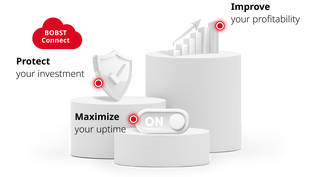
BOBST Connect: Progress, Performance, and Potential

Jul 19, 2026
Colorman Ireland and BOBST: Advancing smart, connected packaging production together
Jul 13, 2026
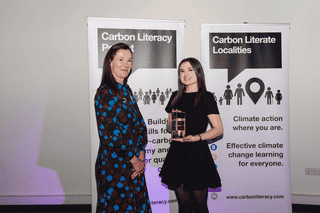
BOBST Becomes First Packaging Machinery Manufacturer to Achieve Carbon Literacy Platinum Award