



At BOBST, we take a structured approach to climate action. Reducing greenhouse gas (GHG) emissions is a core part of our sustainability strategy, and we're committed to limiting our environmental impact across operations and the value chain.
In 2024, our short-term emission reduction targets were officially validated by the Science Based Targets initiative (SBTi), confirming alignment with the Paris Agreement and Swiss climate goals.

Our emissions profile
BOBST's carbon emissions are assessed annually following the GHG Protocol, with Scope 1, 2, and 3 calculations consolidated across all BOBST-branded entities under operational control. In 2024, total GHG emissions amounted to 4,022,595 CO₂.
Scope 1 and 2 emissions represent 0.3% of total footprint, generated by energy consumption at industrial facilities and the vehicle fleet.
Scope 3 emissions account for 99.7% of total emissions, primarily linked to:
- Machine use at customer sites over a 15- to 30-year lifespan (81.6%)
- Procurement of materials and components (16.9%)
- Transportation, business travel, waste, and commuting (1.2%)
This distribution highlights BOBST's role not only in managing its own footprint, but in driving sustainable innovation and collaboration across the packaging value chain.
Our emission reduction targets — validated by the Science Based Targets Initiative (SBTi)
- BOBST is targeting a 42% reduction in CO2 from direct operations (Scope 1 and 2) and a 25% reduction in CO2 from procurement, machine use, and transport (Scope 3), against a 2022 baseline, with a target year of 2030.
Most of BOBST's GHG emissions occur on customer premises.
Our current plan
In 2024, we launched a detailed decarbonization plan, beginning with our three largest production sites in Europe, followed by four production sites in China in 2025. Based on targeted technical and operational measures, this roadmap forecasts a 28% reduction in Scope 1 and 2 CO2 emissions.
Improving energy efficiency
BOBST continues to monitor and manage energy consumption across its operations.
Total energy consumption in 2024 was 54,926 MWh, broken down as follows:
Facilities – fuel
19,125 MWh
Including methane, propane (LPG), and diesel
Facilities – electricity
21,922 MWh
Comprised of 19,596 MWh from the grid, 2,326 MWh from solar installations, and 1,729 MWh from cogeneration systems.
Vehicle fleet
13,879 MWh
Including diesel, oil, and electric vehicle consumption.
BOBST is progressively modernizing infrastructure, expanding solar installations, and deploying electric vehicles across sites. Energy optimization remains a key lever in reducing Scope 1 and 2 emissions.
Reducing scope 3 emissions
Because most emissions occur downstream—particularly from machine use— BOBST's R&D and product development teams are working on energy-efficient solutions. Most product lines have integrated sustainability-driven innovation roadmaps, focusing on reducing consumption, extending product life, and minimizing waste. These efforts are crucial to meeting BOBST's SBTi-aligned Scope 3 targets.
Regulatory preparedness and reporting
BOBST is actively aligning with emerging climate disclosure frameworks.
- Under TCFD, BOBST follows its recommendations to identify climate-related risks, opportunities, and transition planning.
- For CSRD, a double materiality assessment was conducted in 2024 to prepare for full integration by 2025.
- The Swiss Ordinance on Climate Change and EU Taxonomy guide BOBST's disclosure standards and support sustainable investment practices.
Transparency and accountability
BOBST tracks progress through an annual carbon accounting process, continuously improving data quality, especially for Scope 3. Internal experts and cross-functional teams are engaged in defining and implementing actions across sites and business units.
Results are shared in the Non-Financial Report 2024 and form the basis of decision-making for decarbonization at the Group level.
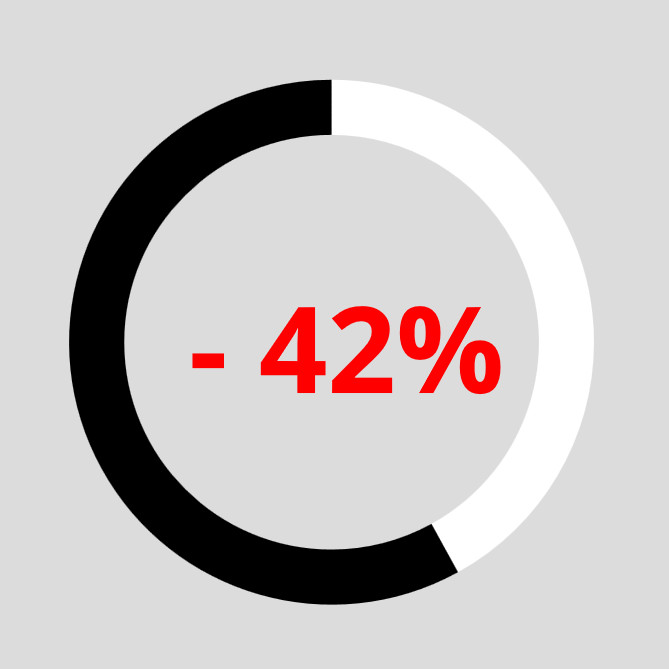
Our target CO₂ emissions reduction from direct operations (scopes 1 & 2)
Our current plan
- 28% (Scope 1 & 2) based on a detailed decarbonization plan for three production sites in Europe and China.
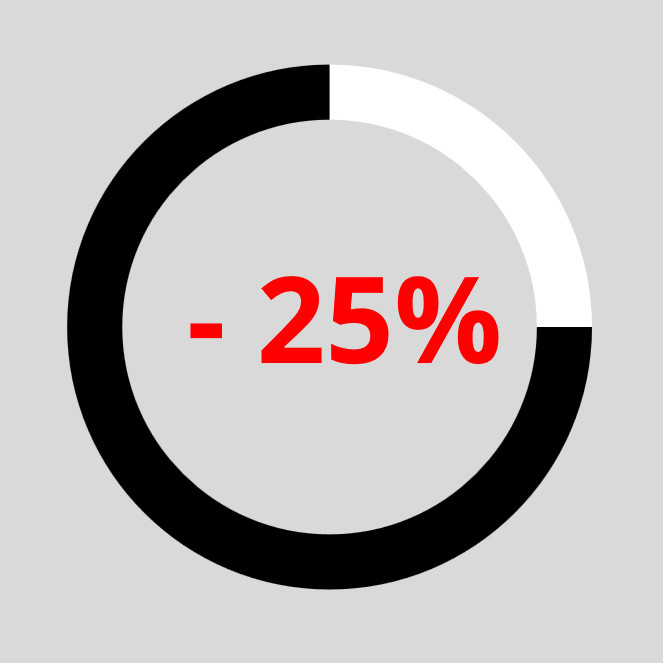
Our target CO₂ emissions reduction from procurement, machine use, and transport (scope 3)